
What the Research Actually Shows About Platelet Rich Plasma
If you’ve been researching non-surgical skin rejuvenation or hair restoration in Loveland, you’ve likely encountered Platelet Rich Plasma (PRP) therapy. The treatment has moved from professional athletes’ recovery protocols into aesthetic medicine—but what does the clinical data actually tell us?
At 18 Spa, we believe you deserve evidence-based information before any treatment decision. This article breaks down peer-reviewed studies, realistic outcomes, and what the science says about PRP for skin and hair concerns.
Understanding Platelet Rich Plasma: The Mechanism
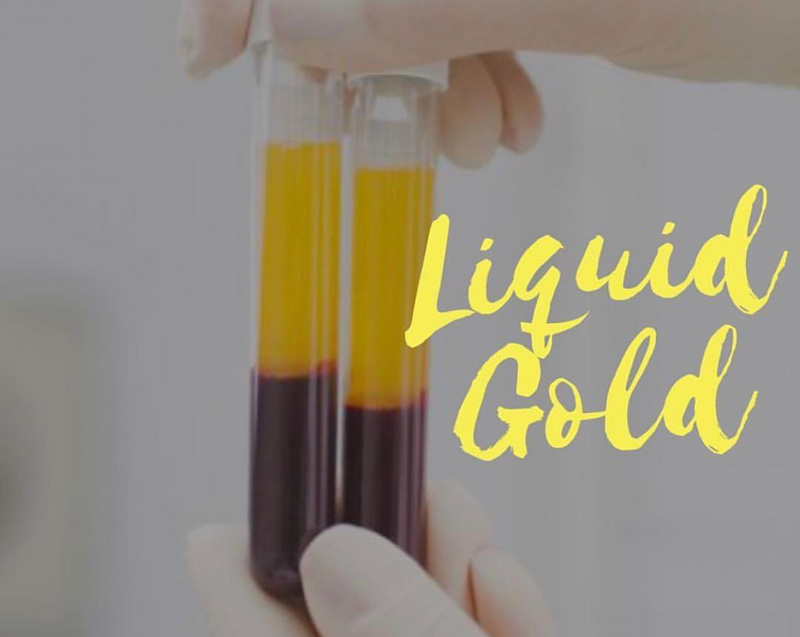
PRP therapy uses your own blood. A small sample is drawn, then processed in a centrifuge to concentrate platelets—the cells that contain growth factors. This concentrated plasma is then injected into treatment areas.
The theory: platelets release proteins that signal tissue repair, stimulate collagen production, and may encourage dormant hair follicles to re-enter growth phase.
Key point: PRP is autologous. You’re receiving your own biological material, which minimizes allergic reaction risk.
Clinical Data on PRP for Skin Rejuvenation
What Studies Demonstrate
A 2021 systematic review in the Journal of Cosmetic Dermatology analyzed 19 controlled trials on PRP for facial rejuvenation. Findings:
- Texture improvement: 68–82% of participants showed measurable improvement in skin texture after 3 sessions
- Fine line reduction: Modest improvement in periorbital (around-eye) wrinkles, averaging 15–30% reduction on standardized scales
- Skin tone: Some studies noted improved pigmentation evenness, though results varied widely
- Collagen density: Biopsy studies confirmed increased dermal collagen at 3–6 months post-treatment
Important context: Most protocols involved 3–4 sessions spaced 4–6 weeks apart. Single treatments showed minimal lasting change.
What PRP Does Not Do
The data is clear on limitations:
- PRP does not replace volume loss (that requires fillers or fat grafting)
- It will not tighten moderate-to-severe skin laxity
- Results are subtle and gradual—this is not a dramatic transformation treatment
- Maintenance sessions are typically needed every 6–12 months
Hair Restoration: The Evidence in Northern Colorado and Beyond
Androgenetic Alopecia (Pattern Hair Loss)
Multiple randomized controlled trials have examined PRP for male and female pattern baldness:
- A 2019 meta-analysis in Aesthetic Plastic Surgery pooled data from 11 studies (over 400 patients)
- Hair density increase: Average improvement of 20–30 hairs per cm² after 3–6 monthly sessions
- Hair thickness: Modest increase in shaft diameter (approximately 10–15%)
- Patient satisfaction: 60–75% reported noticeable improvement; 25–40% saw minimal change
Critical detail: PRP appears most effective for early-to-moderate thinning. Advanced baldness (Norwood 6–7 or Ludwig III) showed poor response rates.
Alopecia Areata and Other Conditions
Data is more limited but emerging:
- Small studies suggest benefit for alopecia areata (patchy autoimmune hair loss)
- Combination with microneedling may enhance results
- Response rates vary significantly—some patients see regrowth, others do not
Factors That Influence PRP Outcomes
Not all PRP is identical. Research identifies variables that affect results:
Preparation Protocol
- Platelet concentration: Studies use 2–8× baseline concentration; optimal level remains debated
- White blood cell inclusion: Some protocols include leukocytes, others exclude them
- Activation method: Calcium chloride, thrombin, or no activation—each affects growth factor release
Patient Factors
Research shows better outcomes in patients who:
- Are non-smokers
- Have adequate baseline platelet counts
- Treat concerns early (before severe tissue damage)
- Follow post-treatment protocols consistently
Treatment Technique
- Injection depth matters (dermal vs. subdermal)
- Coverage area and injection spacing affect distribution
- Combination with microneedling may improve penetration
Realistic Expectations for Platelet Rich Plasma in Loveland
Based on published data and clinical experience:
For facial rejuvenation:
- Expect subtle glow and texture improvement over 2–4 months
- Fine lines may soften 15–30%
- Results build with each session in a series
- Maintenance needed to sustain benefits
For hair restoration:
- Visible changes typically require 4–6 months
- Best for early thinning, not advanced loss
- Not everyone responds—genetics and condition severity matter
- Ongoing sessions usually necessary
What to Expect During Treatment
The Process
- Blood draw: Similar to routine lab work (10–20 mL)
- Centrifugation: 10–15 minutes to separate plasma
- Preparation: Treatment area cleansed; topical numbing applied (20–30 minutes)
- Injection: Multiple small injections across treatment zone (15–30 minutes)
Downtime and Aftercare
Immediate (0–24 hours):
- Mild swelling and redness at injection sites
- Possible pinpoint bruising
- Slight tenderness
First week:
- Most visible effects resolve in 2–3 days
- Avoid intense exercise for 24–48 hours
- No direct sun exposure; use SPF 30+ daily
- Skip retinoids and exfoliants for 3–5 days
Ongoing:
- Maintain hydration (internal and topical)
- Protect treatment investment with consistent sun protection
- Follow any RN-specific guidance for your skin type
Cost Considerations and Session Planning
While prices vary, typical ranges in Northern Colorado:
- Facial PRP: $400–$700 per session
- Scalp PRP: $600–$900 per session
- Package pricing: Often available for 3–4 session series
Budget realistically: Single sessions rarely produce lasting results. Plan for an initial series plus annual maintenance.
Combining PRP with Other Treatments
Research supports strategic combinations:
- Microneedling + PRP: Enhanced absorption and collagen stimulation
- Laser resurfacing + PRP: May accelerate healing and improve outcomes
- Hair transplant + PRP: Some data suggests improved graft survival
Your licensed provider can assess whether combination approaches suit your goals and timeline.
When PRP May Not Be Right for You
Contraindications based on medical literature:
- Active skin infection or inflammation in treatment area
- Blood disorders or platelet dysfunction
- Current anticoagulant therapy (case-by-case evaluation needed)
- Unrealistic expectations for dramatic change
- Preference for immediate, visible results
An RN or MD consultation reviews your health history and determines candidacy.
Choosing a Provider: What the Data Says Matters
Quality and safety factors supported by research:
- Medical oversight: RN or physician administration ensures proper technique and emergency preparedness
- Sterile processing: FDA-cleared centrifuge systems and single-use supplies
- Customized protocols: Treatment parameters adjusted for your concern and biology
- Realistic counseling: Providers who discuss both benefits and limitations
Frequently Asked Questions
How long do Platelet Rich Plasma results last?
Clinical studies show facial rejuvenation benefits typically last 6–12 months before maintenance is needed. Hair restoration results may persist 9–18 months with proper care, but ongoing sessions are usually required to sustain improvement. Individual variation is significant—some patients maintain results longer, others need more frequent touch-ups.
Is PRP better than other treatments for hair loss?
PRP offers a non-surgical option with minimal downtime, but it’s not universally superior. Topical minoxidil and oral finasteride have more extensive long-term data. PRP may work well for patients who don’t respond to or can’t tolerate medications, or as part of a combination approach. A consultation helps determine the best fit for your specific pattern and stage of hair loss.
Does Platelet Rich Plasma hurt?
Most patients describe mild-to-moderate discomfort during injections, similar to other injectable treatments. Topical numbing cream is applied 20–30 minutes before treatment to minimize sensation. The scalp tends to be more sensitive than facial skin. Discomfort is brief—the injection process typically takes 15–30 minutes—and most people tolerate it well.
See What PRP Can Do for You
The research on Platelet Rich Plasma shows real potential for skin texture, tone, and hair density—when expectations align with evidence. Results are gradual, subtle, and require commitment to a treatment series.
Ready to explore whether PRP fits your goals? Our RN-led team at 18 Spa provides thorough consultations, reviewing your concerns, health history, and realistic outcomes. We’ll walk you through what to expect, session by session.
Explore our full range of Platelet Rich Plasma treatments or schedule your consultation today. Let’s build a plan grounded in science and tailored to you.