
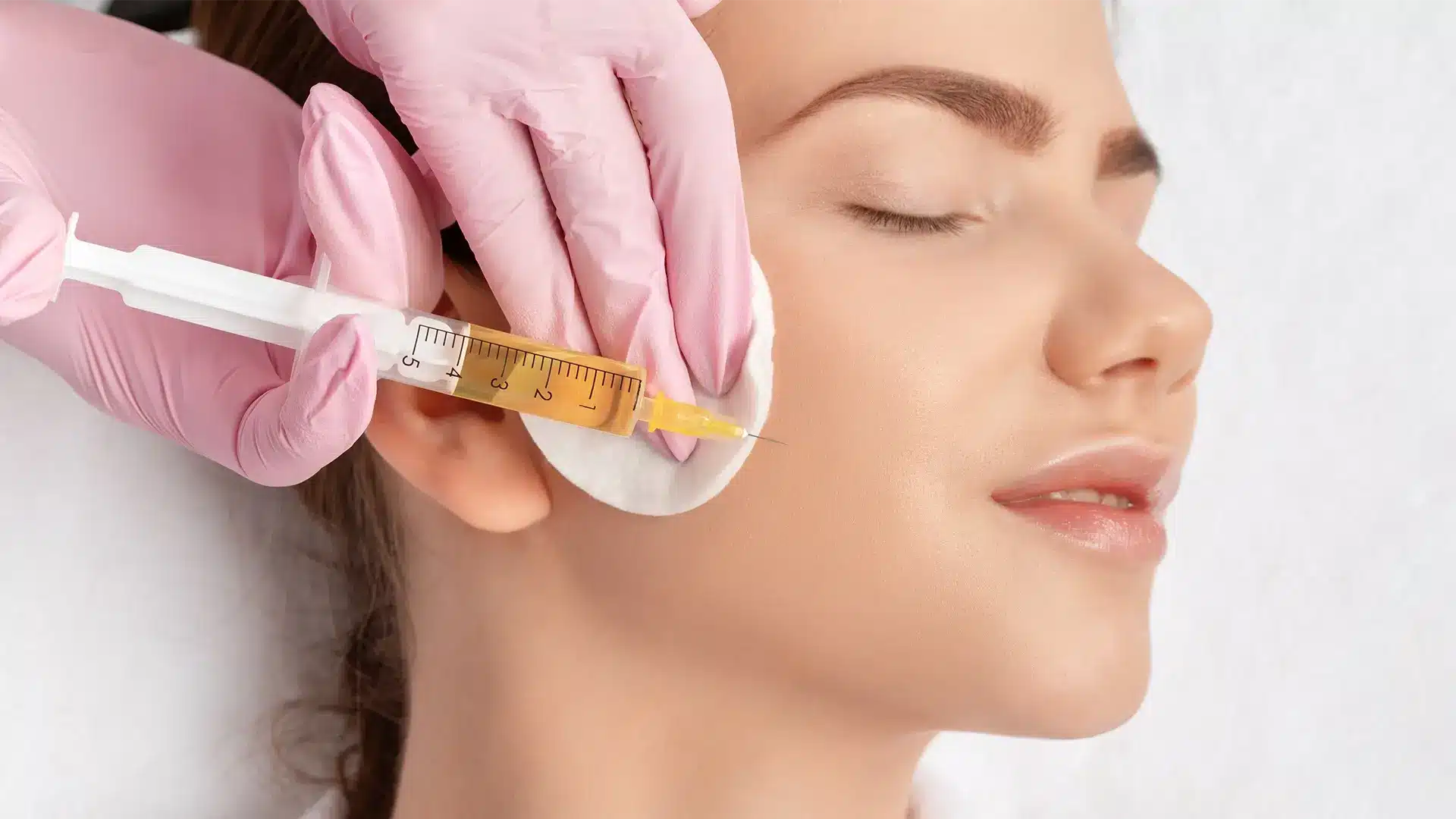
Platelet Rich Plasma Therapy Gains Momentum as Regenerative Medicine Enters Mainstream
Regenerative medicine is no longer confined to research labs or elite sports clinics. Platelet Rich Plasma therapy—a treatment that harnesses your body’s own healing factors—has moved into medical spas and dermatology practices across the country, including here in Loveland. At 18 Spa, licensed medical professionals now offer PRP as part of a growing menu of science-backed aesthetic treatments designed to address hair thinning, skin texture concerns, and visible signs of aging.
The shift reflects broader patient demand for procedures that work with the body rather than against it. Instead of synthetic fillers or aggressive resurfacing, PRP uses concentrated platelets drawn from your own blood to stimulate collagen production, improve tissue repair, and encourage natural regeneration. The approach appeals to patients who want measurable improvement without looking “overdone”—and who value treatments overseen by registered nurses and medical directors.
What Is Platelet Rich Plasma and How Does It Work?
Platelet Rich Plasma is exactly what the name suggests: plasma—the liquid portion of your blood—enriched with a high concentration of platelets. Platelets contain growth factors that play a central role in wound healing and tissue regeneration. When injected or applied to targeted areas, these growth factors signal your body to ramp up collagen synthesis, increase blood flow, and repair damaged cells.
The process begins with a simple blood draw, similar to routine lab work. That sample is placed in a centrifuge, which spins at high speed to separate red blood cells from plasma and platelets. The resulting concentrate—typically 3–5 times richer in platelets than normal blood—is then reintroduced into treatment areas via fine needles or microneedling.
Because PRP is derived from your own blood, allergic reactions and rejection risks are minimal. There are no foreign substances, no animal-derived ingredients, and no synthetic compounds. The treatment leverages your body’s existing repair mechanisms, which is why results develop gradually over weeks and months rather than appearing overnight.
Why PRP Is Making Headlines in Aesthetic Medicine
Several factors have accelerated PRP’s adoption in medical spas:
FDA clearance for preparation devices: While PRP itself is not FDA-approved as a drug, the centrifuge systems used to prepare it have received clearance for safe separation of blood components. This regulatory clarity has given practitioners and patients greater confidence.
Celebrity and athlete endorsements: High-profile figures have publicly discussed PRP for hair restoration and facial rejuvenation, raising awareness and reducing stigma around aesthetic treatments.
Growing body of clinical evidence: Peer-reviewed studies continue to document PRP’s effectiveness for androgenetic alopecia (pattern hair loss), acne scarring, and skin laxity. While results vary by individual, the data supports its role as a viable option for patients seeking non-surgical interventions.
Demand for “natural” aesthetics: Patients increasingly want treatments that enhance rather than alter. PRP fits this preference because it doesn’t add volume artificially or freeze expression—it simply encourages your skin and follicles to function more effectively.
Common Uses for Platelet Rich Plasma in Northern Colorado
Medical spas like 18 Spa typically offer PRP for three primary concerns:
Hair Restoration
PRP injections into the scalp can slow hair loss and stimulate dormant follicles in patients with androgenetic alopecia. Treatment involves multiple small injections across thinning areas. Most protocols call for three sessions spaced four to six weeks apart, followed by maintenance treatments every six to twelve months.
Realistic expectations: You may notice reduced shedding within two to three months. New growth, if it occurs, typically becomes visible around the four- to six-month mark. PRP works best for patients in early to moderate stages of hair loss; it cannot revive follicles that have been inactive for years.
Facial Rejuvenation
When combined with microneedling or injected directly into areas with fine lines, volume loss, or uneven texture, PRP can improve skin tone and firmness. The growth factors stimulate fibroblasts—the cells responsible for producing collagen and elastin.
Realistic expectations: Subtle improvements in texture and radiance may appear within four to six weeks. More significant changes in skin thickness and elasticity develop over three to six months as new collagen matures. This is not a substitute for neurotoxins or dermal fillers if you’re seeking immediate wrinkle reduction or volume replacement.
Scar Revision and Skin Texture
PRP is increasingly used to soften acne scars, surgical scars, and stretch marks. The treatment encourages remodeling of scar tissue and can reduce the depth and visibility of atrophic (depressed) scars.
Realistic expectations: Improvement is gradual and partial. Deep ice-pick or boxcar scars may require multiple sessions and combination therapies. Expect a series of three to six treatments for optimal results.
What to Expect During and After Treatment
A typical PRP session at a medical spa follows this sequence:
- Blood draw: A small vial of blood (similar to standard lab work) is collected from your arm.
- Centrifugation: The sample is processed for approximately 10–15 minutes.
- Numbing: Topical anesthetic is applied to treatment areas (scalp, face, or body) to minimize discomfort.
- Injection or microneedling: PRP is delivered via fine needles or a microneedling device, depending on the treatment area and goal.
- Post-care instructions: You’ll receive guidance on activity restrictions, skincare, and follow-up scheduling.
Downtime and side effects: Expect mild redness, swelling, and tenderness at injection sites for 24–72 hours. Bruising is possible, especially on the face. Most patients return to work the next day, though you may prefer to schedule treatments before a weekend if you’re concerned about visible swelling. Avoid strenuous exercise, alcohol, and anti-inflammatory medications (ibuprofen, aspirin) for 48 hours, as these can interfere with the healing response PRP is designed to trigger.
Why Medical Oversight Matters for Platelet Rich Plasma
PRP is a medical procedure, not a cosmetic service. The quality of your results—and your safety—depends on proper blood handling, sterile technique, correct centrifuge settings, and accurate injection depth and placement.
Licensed medical professionals understand anatomy, contraindications, and how to adjust protocols for individual patients. They can also recognize and manage complications, though these are rare with PRP. Patients with certain blood disorders, active infections, or those taking anticoagulants may not be suitable candidates.
Choosing a medical spa with RN or MD oversight ensures you’re receiving treatment from practitioners trained in both the science and the artistry of aesthetic medicine.
Platelet Rich Plasma in Loveland: What Local Patients Should Know
Northern Colorado residents considering PRP should ask potential providers about:
- Centrifuge system and platelet concentration: Not all PRP is created equal. Ask what device is used and what concentration of platelets is achieved.
- Number of sessions recommended: Single treatments rarely deliver optimal results. Most protocols involve a series.
- Cost per session: PRP typically ranges from $600 to $1,200 per session depending on treatment area and volume of PRP used. Package pricing may be available.
- Combination treatments: PRP is often paired with microneedling, laser therapy, or other modalities for enhanced results.
- Before-and-after documentation: Reputable providers should be able to show you examples of their own patients’ outcomes.
If you’re exploring Platelet Rich Plasma as part of your aesthetic goals, schedule a consultation to discuss your specific concerns, review your medical history, and develop a personalized treatment plan.
Frequently Asked Questions
How long do Platelet Rich Plasma results last?
Results vary by treatment area and individual response. For hair restoration, maintenance sessions every 6–12 months are typically recommended to sustain improvement. Facial rejuvenation results may last 12–18 months before a touch-up is needed. PRP does not stop the aging process or halt genetic hair loss permanently; it supports your body’s regenerative capacity during the active treatment period.
Is PRP painful?
Most patients describe mild to moderate discomfort during injections, similar to other injectable treatments. Topical numbing cream is applied beforehand to minimize sensation. The blood draw itself is quick and comparable to routine lab work. Any tenderness at injection sites typically resolves within a few days.
Can I combine PRP with other treatments?
Yes. PRP is frequently combined with microneedling for facial rejuvenation, laser therapy for hair restoration, or neurotoxins and fillers for comprehensive facial rejuvenation. Your provider will design a treatment plan based on your goals, skin type, and budget. Combination approaches often deliver more dramatic results than PRP alone, though they also increase cost and may extend downtime slightly.
Ready to explore whether Platelet Rich Plasma is right for you? Schedule a consultation with the licensed medical team at 18 Spa to discuss your concerns, review realistic outcomes, and create a personalized treatment plan. Book your appointment today and take the first step toward natural, science-backed rejuvenation.