New Research Links Gut Health to Stubborn Adult Acne—What Northern Colorado Patients Should Know
If you’ve tried every topical treatment and still wake up to breakouts, emerging research may finally explain why. Scientists now understand that chronic acne isn’t just a skin problem—it often starts in your gut. For adults in Loveland dealing with persistent acne despite clean routines and quality products, this connection between your microbiome and your complexion is reshaping how medical professionals approach treatment. At 18 Spa, our RN-led team integrates this science into personalized acne care plans that address root causes, not just surface symptoms.
The Gut-Skin Axis: What the Latest Studies Show
Recent clinical studies published in dermatology journals reveal a measurable link between intestinal inflammation, microbiome imbalance, and inflammatory skin conditions. When your gut bacteria fall out of balance—triggered by stress, antibiotics, diet, or illness—it can increase systemic inflammation and alter hormone signaling. Your skin, as your largest organ, often reflects that internal chaos through breakouts, redness, and delayed healing.
Key findings include:
- Patients with acne show significantly different gut bacteria profiles compared to those with clear skin
- Probiotic supplementation reduced inflammatory acne lesions by 32% in controlled trials
- High-glycemic diets and dairy correlate with both gut dysbiosis and increased sebum production
- Chronic stress disrupts both gut lining integrity and skin barrier function
This doesn’t mean topical treatments are obsolete. It means effective acne care now requires a dual approach: calming inflammation on your skin while supporting your body’s internal balance.
How This Changes Acne Treatment in Loveland
Traditional acne protocols focus on killing bacteria, unclogging pores, and reducing oil. Those steps still matter. But if gut inflammation keeps triggering new breakouts, you’re fighting an uphill battle.
Modern medical spas now layer treatments:
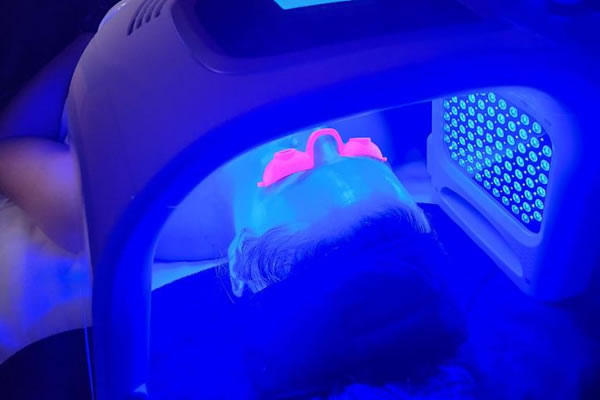
External interventions like chemical peels, medical-grade facials, LED therapy, and prescription topicals target active lesions and post-inflammatory marks.
Internal support through nutrition counseling, probiotic recommendations, and stress-management guidance addresses the systemic triggers that keep acne cycling back.
You don’t need to choose one or the other. The most dramatic, lasting improvements happen when both pathways work together.
What This Means for Your Acne Care Plan
If you’ve been stuck in a cycle of temporary improvement followed by flare-ups, consider these questions with your provider:
- Are you managing chronic stress, poor sleep, or digestive issues?
- Have recent antibiotics or dietary changes preceded your breakouts?
- Do you notice acne worsening around your menstrual cycle or after certain foods?
- Have topical treatments helped initially but plateaued?
Honest answers help licensed clinicians build a treatment map that goes deeper than surface-level fixes.
Step 1: Clinical Skin Assessment
An RN or MD examines your acne type (comedonal, inflammatory, cystic), distribution, scarring, and skin sensitivity. This determines which professional treatments—peels, extractions, laser, microneedling—will deliver results without over-treating.
Step 2: Lifestyle & History Review
Your provider asks about diet patterns, stress levels, gut health symptoms, medication history, and skincare habits. This context reveals whether internal factors may be sabotaging your progress.
Step 3: Integrated Treatment Protocol
You receive a phased plan combining in-office procedures with at-home topicals, supplement suggestions (if appropriate), and realistic timelines. Expect 8–12 weeks before you see measurable change; acne treatment is a marathon, not a sprint.
Step 4: Ongoing Adjustments
Your skin and life circumstances shift. Regular check-ins let your provider tweak products, adjust treatment frequency, and celebrate progress. No one-size-fits-all protocol works forever.
Practical Steps You Can Start Today
While professional treatment accelerates results, these evidence-based habits support clearer skin from the inside out:
Prioritize fiber-rich whole foods. Vegetables, legumes, and whole grains feed beneficial gut bacteria and stabilize blood sugar—both helpful for acne-prone skin.
Limit high-glycemic and dairy-heavy meals. Research consistently links these to increased breakouts in susceptible individuals. You don’t need to eliminate them entirely; moderation and observation matter most.
Manage stress deliberately. Cortisol spikes disrupt your gut lining and trigger oil production. Even 10 minutes of daily breathwork or walking helps.
Consider a quality probiotic. Look for multi-strain formulas with Lactobacillus and Bifidobacterium species. Discuss options with your provider before starting.
Avoid over-cleansing. Stripping your skin disrupts its microbiome, too. Gentle, pH-balanced cleansers twice daily are sufficient.
Stay hydrated. Water supports toxin clearance and skin barrier function. Aim for half your body weight in ounces daily.
Why Medical Oversight Matters for Acne Care in Loveland
Gut-skin science is exciting, but it also invites oversimplification. Social media influencers sell miracle supplements and elimination diets that rarely address your unique triggers. Without licensed oversight, you risk wasting money on unproven products or damaging your skin with aggressive DIY treatments.
RN- and MD-supervised care means:
- Accurate diagnosis of acne type and severity
- Safe selection of clinical-grade treatments
- Monitoring for side effects or contraindications
- Coordination with your primary care provider if underlying health issues emerge
- Access to prescription options when appropriate
You deserve a team that understands both dermatological science and the nuances of your individual health history.
What to Expect During Treatment
Timeframe: Most patients notice reduced inflammation within 4–6 weeks and significant clearing by 12–16 weeks. Scarring and texture improvements take longer—often 6–12 months with consistent care.
Downtime: Depends on treatment intensity. Light chemical peels may cause 2–3 days of flaking. Microneedling typically involves 24–48 hours of redness. Your provider will outline specifics before each session.
Cost: Professional acne care ranges from $100–$400 per session depending on modality. Packages and membership options often reduce per-visit costs. Always ask for transparent pricing during your consultation.
Aftercare: Expect gentle cleansing, broad-spectrum SPF 30+ daily, and prescribed topicals. Avoid picking, harsh scrubs, and unprotected sun exposure. Your provider will give you a written checklist.
Choosing the Right Acne Care Provider in Northern Colorado
Look for these markers of quality:
- Licensed RNs or MDs performing or supervising all treatments
- Willingness to discuss your health history and lifestyle factors
- Clear explanations of what each treatment does and why it’s recommended
- Transparent pricing with no pressure to buy large packages upfront
- Before-and-after galleries showing realistic results, not filtered perfection
- Positive reviews mentioning education, patience, and follow-through
If a provider promises “clear skin in 30 days” or pushes expensive products without assessing your individual needs, keep looking.
Explore our full range of acne care services to see how medical-grade treatments can be tailored to your skin type and goals.
Take the Next Step Toward Clearer Skin
You’ve tried the drugstore solutions. You’ve waited for breakouts to resolve on their own. If you’re ready for a science-backed, medically supervised approach that addresses acne from multiple angles, it’s time to book a consultation.
Our team will listen to your concerns, assess your skin, and build a realistic plan that fits your life and budget. No hype. No guarantees. Just honest guidance and proven treatments delivered with care.
Schedule your acne consultation today and start your journey toward healthier, clearer skin.
FAQ
How long does it take to see results from acne care treatments?
Most patients notice reduced inflammation and fewer new breakouts within 4–6 weeks of starting a professional treatment plan. Significant clearing typically occurs by 12–16 weeks. Scarring and texture improvements require 6–12 months of consistent care. Your timeline depends on acne severity, treatment type, and how well you follow aftercare instructions.
Can I treat acne effectively without addressing gut health?
Yes—many patients achieve clear skin with topical treatments and in-office procedures alone. However, if you’ve tried multiple approaches without lasting success, or if you have digestive symptoms alongside acne, addressing gut health may unlock better results. A licensed provider can help you determine whether internal factors are contributing to your breakouts.
Are medical spa acne treatments safe for sensitive skin?
Absolutely, when performed by licensed professionals who customize protocols to your skin type. During your consultation, your provider will assess sensitivity, test products if needed, and start with gentler options. You’ll receive detailed aftercare instructions to minimize irritation. Always disclose any known allergies, current medications, or previous adverse reactions to skincare products.