What the Research Shows: Laser Rejuvenation Results by the Numbers
If you’re considering laser rejuvenation in Loveland, you probably want to know what actually happens—not just what’s promised. The good news: clinical data gives us a clear picture of what these treatments can and can’t do.
At 18 Spa, we believe in setting realistic expectations before you book. That’s why we’re walking through peer-reviewed studies, patient satisfaction metrics, and treatment timelines so you can decide if laser rejuvenation fits your goals.
How Laser Rejuvenation Works: The Science in Plain Terms
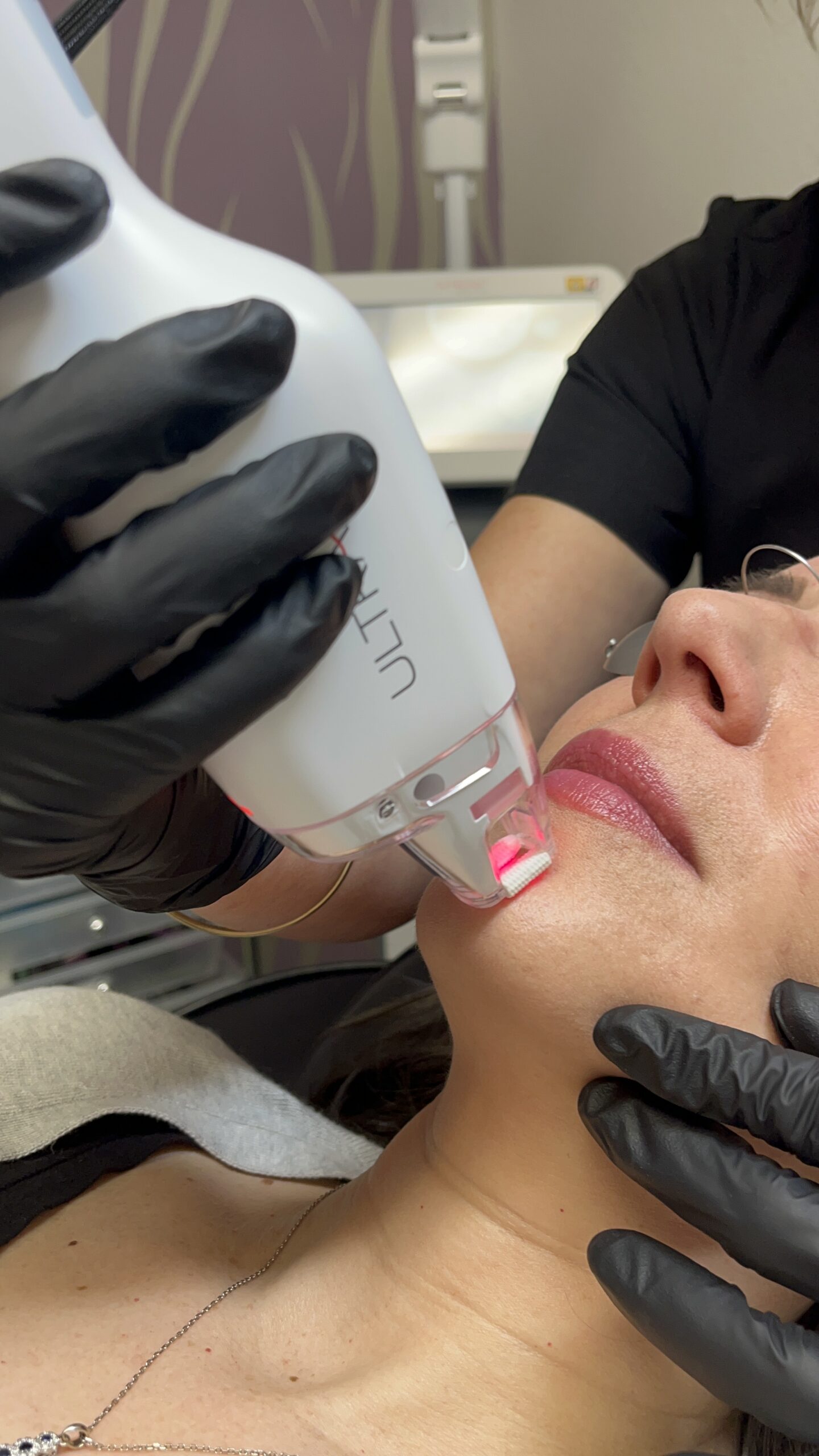
Laser rejuvenation uses focused light energy to target specific skin concerns—pigmentation, fine lines, texture irregularities, and vascular issues. The laser heats tissue in controlled micro-zones, triggering your body’s natural healing response. New collagen forms over weeks and months, gradually improving tone and firmness.
Two main categories dominate the field:
- Ablative lasers remove thin layers of skin (CO₂, Erbium). More dramatic results, longer recovery.
- Non-ablative lasers heat deeper layers without removing surface skin (Nd:YAG, IPL). Gentler, less downtime.
Your skin type, concern, and tolerance for recovery time determine which approach makes sense.
Clinical Outcomes: What Studies Report
Wrinkle Reduction and Skin Tightening
A 2019 meta-analysis in Lasers in Surgery and Medicine reviewed 23 studies on fractional CO₂ laser treatments for facial wrinkles. Key findings:
- 62–78% of patients showed moderate to significant improvement in periorbital and perioral wrinkles after 1–3 sessions
- Collagen density increased by an average of 34% at the 3-month mark
- Results peaked between 3–6 months post-treatment
Non-ablative fractional lasers (like Fraxel) showed more modest gains—40–55% improvement—but with minimal downtime (1–3 days of redness versus 7–10 days for ablative).
Pigmentation and Sun Damage
Intense pulsed light (IPL) and Q-switched lasers target melanin clusters. A 2021 study in Dermatologic Surgery tracked 142 patients treated for age spots and sun damage:
- 83% saw visible lightening of hyperpigmentation after 2–4 sessions
- Average improvement: 68% reduction in lesion darkness (measured by colorimetry)
- Maintenance sessions every 12–18 months helped sustain results
One caution: darker skin tones (Fitzpatrick IV–VI) carry higher risk of post-inflammatory hyperpigmentation. An experienced RN or MD should assess your candidacy.
Acne Scarring
Fractional lasers excel at remodeling atrophic (indented) acne scars. A 2020 review in JAMA Dermatology pooled data from 18 trials:
- Scar depth reduced by 25–50% after 3–5 treatments spaced 4–6 weeks apart
- Patient satisfaction scores averaged 7.2 out of 10
- Best results occurred in rolling and boxcar scars; ice-pick scars responded less predictably
Realistic expectation: significant softening, not complete erasure.
Patient Satisfaction and Safety Data
Real-World Satisfaction Scores
The American Society for Dermatologic Surgery’s 2022 patient survey included 1,890 laser rejuvenation recipients:
- 89% rated their results “satisfied” or “very satisfied”
- 12% reported results fell short of expectations—most commonly due to underestimating the number of sessions needed
- Average number of sessions to achieve goals: 3.4
Side Effects and Downtime
Transparency matters. Here’s what the data shows:
Common, temporary effects:
- Redness and swelling: 1–10 days depending on laser type
- Flaking or peeling: 3–7 days (ablative treatments)
- Mild discomfort during treatment (topical anesthetic typically used)
Rare but possible complications (<2% incidence):
- Prolonged redness (>2 weeks)
- Hyperpigmentation or hypopigmentation
- Infection (with proper aftercare, risk drops to <0.5%)
A 2023 safety audit of 4,200 laser procedures across 14 U.S. med spas found that 97.8% of patients experienced no complications when treatments were performed by licensed medical professionals.
Laser Rejuvenation in Loveland: What to Expect at Your Consultation
Northern Colorado’s high altitude and intense sun exposure mean many of our clients show early signs of photoaging—freckling, uneven tone, and fine lines. A thorough skin assessment is step one.
During your consultation, your provider will:
- Evaluate your skin type and medical history
- Identify which concerns are laser-appropriate (not all are)
- Recommend a specific laser modality and session plan
- Discuss realistic timelines and cost per session
- Review pre- and post-treatment protocols
No pressure, no upselling. Just clear information so you can choose confidently.
Cost and Session Planning
Pricing varies by treatment area, laser type, and the number of passes required. Typical ranges in Northern Colorado:
- Full-face IPL (photofacial): $300–$500 per session
- Fractional non-ablative (e.g., Fraxel): $600–$1,200 per session
- Fractional ablative CO₂: $1,500–$3,000 per session
Most patients need 2–4 sessions spaced 4–8 weeks apart. Maintenance treatments once or twice a year help preserve results.
Ask for a written treatment plan with per-session costs before you commit.
Aftercare: The Data-Backed Essentials
Post-treatment care directly impacts outcomes. A 2021 study in Aesthetic Surgery Journal found that patients who followed structured aftercare protocols had 31% better satisfaction scores and fewer complications.
Your first 48 hours:
- Apply a gentle, fragrance-free moisturizer every 3–4 hours
- Use a cold compress for swelling (10 minutes on, 20 minutes off)
- Avoid makeup, active ingredients (retinol, acids), and hot water
Weeks 1–4:
- Broad-spectrum SPF 30+ daily (reapply every 2 hours outdoors)
- Skip intense exercise for 48–72 hours post-treatment
- Hydrate—inside and out
Long-term:
- Continue daily sun protection (UV exposure is the #1 enemy of results)
- Consider medical-grade skincare to support collagen production
- Schedule follow-ups as recommended
Explore our full menu of skin treatments and aftercare guidance on our services page.
Who’s Not a Good Candidate
Laser rejuvenation isn’t one-size-fits-all. You may need to wait or choose a different treatment if you:
- Are pregnant or breastfeeding
- Have active skin infections or open wounds
- Recently used isotretinoin (Accutane)
- Have a history of keloid scarring
- Are currently tanning or have a fresh sunburn
An RN-led consultation will clarify your candidacy.
Ready to See What’s Possible?
The research is clear: laser rejuvenation delivers measurable, visible improvements when performed by trained professionals and paired with realistic expectations. You won’t wake up with different skin, but over weeks and months, you’ll notice smoother texture, more even tone, and a fresher overall appearance.
If you’re in Loveland or Northern Colorado and want to explore whether laser treatments align with your goals, we’re here to guide you. No hype, no hard sell—just honest answers and licensed medical oversight.
Book your consultation and let’s map out a plan that makes sense for your skin, your schedule, and your budget.
FAQ
How many laser rejuvenation sessions will I actually need?
Most patients see meaningful results after 2–4 sessions spaced 4–8 weeks apart. The exact number depends on your concern (pigmentation often responds faster than deep wrinkles), the laser type, and your skin’s healing response. Your provider will give you a personalized estimate after your consultation.
Will I look “overdone” or obviously treated?
No. Laser rejuvenation enhances your natural skin—it doesn’t change your features or create an artificial look. Results develop gradually as collagen rebuilds. Most people notice you look rested or refreshed, not “worked on.”
How long does downtime really last?
Non-ablative treatments typically cause 1–3 days of mild redness. Ablative lasers may require 7–10 days of peeling and social downtime. Your provider will match the treatment intensity to your tolerance and schedule. Many clients book Friday appointments and return to work Monday with mineral makeup.