Understanding Your Chemical Peel Options
If you’re exploring chemical peels in Loveland, you’ve probably noticed the alphabet soup of options: glycolic, salicylic, TCA, Jessner’s. Each formula targets different skin concerns, penetrates to different depths, and comes with its own downtime profile. At 18 Spa, our RN-led team walks you through the science so you can choose the peel that matches your goals—and your schedule.
This guide compares the most common chemical peel types, what they treat, what to expect during recovery, and how to decide which is right for you.
How Chemical Peels Work
A chemical peel uses a controlled acid solution to remove damaged outer layers of skin. As those layers shed, your body generates fresh skin cells. The result: smoother texture, more even tone, and reduced appearance of fine lines, acne scars, or sun damage.
Peels are categorized by depth:
- Superficial (light): Targets the outermost layer (epidermis). Minimal downtime.
- Medium: Reaches the upper dermis. Moderate peeling for 3–7 days.
- Deep: Penetrates the mid-dermis. Significant downtime; typically reserved for advanced concerns under strict medical supervision.
Most clients seeking natural-looking improvements start with superficial or medium peels.
Superficial Peels: Glycolic & Salicylic Acid
Glycolic Acid Peels
Best for: Fine lines, dullness, uneven texture, mild sun damage, melasma.
Glycolic acid (an alpha hydroxy acid derived from sugar cane) has the smallest molecular size, so it penetrates quickly. It exfoliates dead cells and stimulates collagen production over time.
What to expect:
- Mild tingling or warmth during application (5–10 minutes)
- Light flaking or dryness for 2–4 days
- Redness fades within hours to one day
- Safe for most skin types; may require pre-treatment for darker tones to minimize pigmentation risk
Typical series: 4–6 sessions spaced 2–4 weeks apart for cumulative results.
Salicylic Acid Peels
Best for: Acne, oily skin, clogged pores, blackheads.
Salicylic acid (a beta hydroxy acid) is oil-soluble, so it dives into pores to dissolve sebum and debris. It also has anti-inflammatory properties that calm active breakouts.
What to expect:
- Slight stinging during application
- Minimal visible peeling (skin may look slightly dry)
- Redness resolves within a few hours
- Ideal for acne-prone or combination skin
Typical series: 4–6 sessions every 2–3 weeks, often paired with a home retinoid or acne regimen.
Medium-Depth Peels: TCA & Jessner’s
TCA (Trichloroacetic Acid) Peels
Best for: Moderate sun damage, deeper wrinkles, acne scars, age spots, uneven pigmentation.
TCA peels penetrate the upper dermis. Concentrations typically range from 10% to 35%; higher percentages deliver more dramatic results but require longer recovery.
What to expect:
- Moderate stinging or burning during application (neutralized after a few minutes)
- Skin darkens (“frosting”) immediately, then begins to peel in sheets around day 3
- Peeling lasts 5–7 days; redness may persist for 1–2 weeks
- Sun protection is critical during healing
Typical series: 1–3 sessions spaced 4–6 weeks apart, depending on concentration and goals.
Jessner’s Peels
Best for: Acne, hyperpigmentation, melasma, rough texture.
Jessner’s solution combines lactic acid, salicylic acid, and resorcinol. It’s a versatile medium peel that can be layered for deeper penetration or kept light for sensitive skin.
What to expect:
- Mild to moderate stinging
- Peeling begins around day 2–3 and lasts 4–6 days
- Less aggressive than TCA at similar depths
- Works well for clients with darker skin tones when applied carefully
Typical series: 3–4 sessions every 4–6 weeks.
Side-by-Side Comparison
| Peel Type | Depth | Best For | Downtime | Sessions Needed |
|---|---|---|---|---|
| Glycolic Acid | Superficial | Dullness, fine lines, texture | 2–4 days | 4–6 |
| Salicylic Acid | Superficial | Acne, oily skin, clogged pores | 1–3 days | 4–6 |
| TCA | Medium | Sun damage, wrinkles, scars | 5–7 days | 1–3 |
| Jessner’s | Medium | Hyperpigmentation, acne, melasma | 4–6 days | 3–4 |
Choosing the Right Peel for Your Skin Goals
Start with a Consultation
Your skin type, concerns, and lifestyle all influence which peel will deliver the best results. During your consultation, your provider will assess:
- Fitzpatrick skin type (to minimize pigmentation risk)
- Active breakouts or inflammation
- Previous treatments or product use (retinoids, for example, may need to be paused)
- Your tolerance for downtime
Match the Peel to Your Schedule
- Weekend refresh: Glycolic or salicylic peels let you return to work Monday with minimal visible peeling.
- Week off: TCA or Jessner’s peels require planning around social events but deliver more dramatic improvement in fewer sessions.
Combine Treatments for Comprehensive Results
Many clients pair chemical peels with microneedling, laser treatments, or medical-grade skincare for layered rejuvenation. Your RN can design a protocol that addresses multiple concerns without over-treating.
Aftercare Essentials for Every Peel Type
Proper aftercare protects your investment and minimizes complications.
Days 1–3:
- Cleanse gently with a mild, non-foaming cleanser
- Skip active ingredients (retinoids, acids, vitamin C)
- Apply a bland moisturizer or healing ointment as directed
- Avoid picking or pulling at peeling skin
Days 4–7:
- Continue gentle cleansing and moisturizing
- Introduce SPF 30+ mineral sunscreen (zinc or titanium dioxide)
- Avoid direct sun exposure, saunas, and intense workouts
Ongoing:
- Resume active skincare gradually after peeling is complete
- Schedule follow-up sessions as recommended
- Maintain daily SPF to preserve results
Chemical Peels in Loveland: What to Expect at Your Appointment
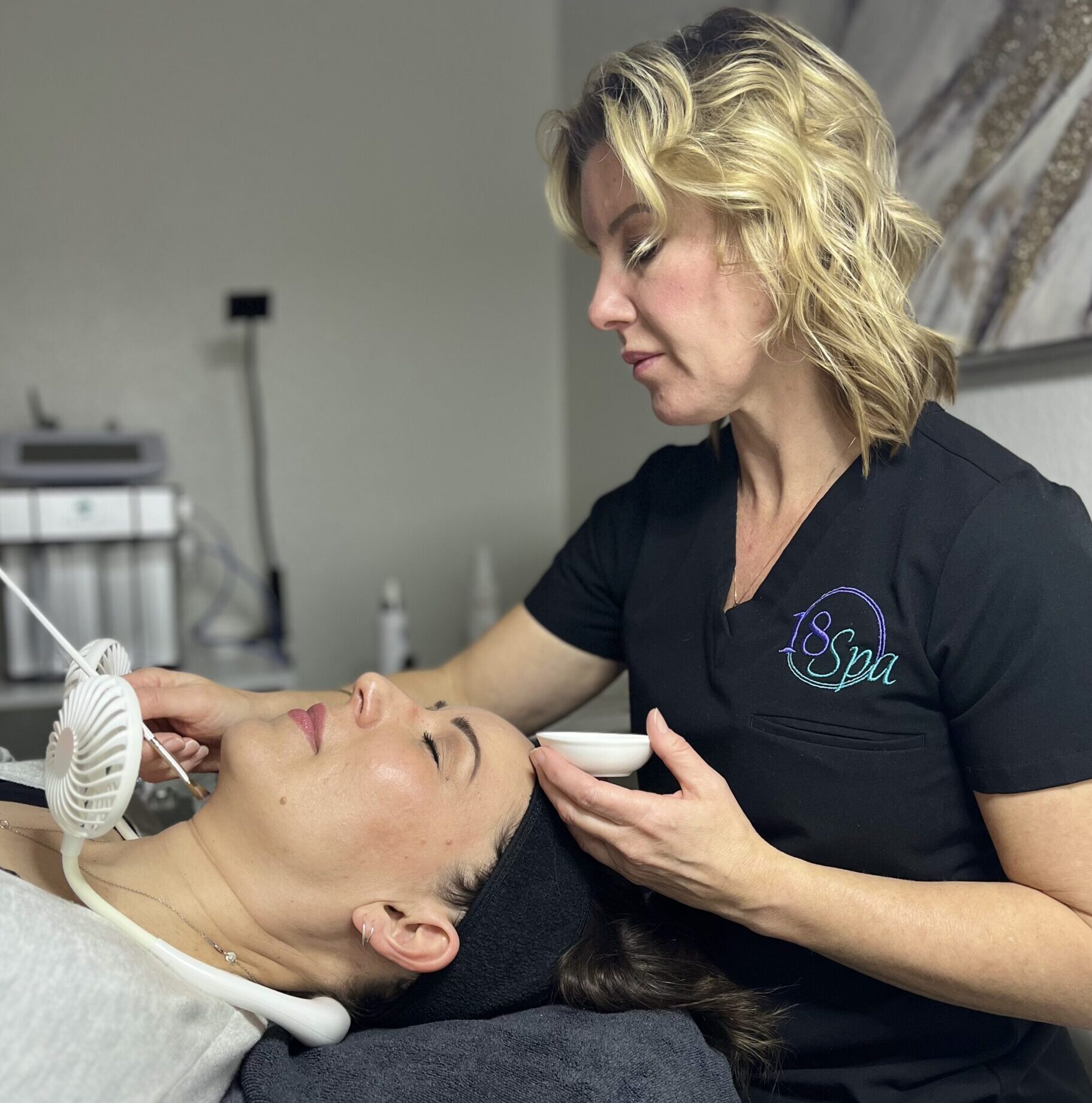
Your appointment begins with a skin analysis and discussion of your goals. Your provider cleanses your skin, then applies the peel solution using a brush or gauze. You’ll feel tingling, warmth, or mild stinging—intensity varies by peel type.
The solution remains on your skin for a precise time (usually 3–10 minutes), then is neutralized or removed. Your provider applies a soothing serum and sunscreen, reviews aftercare instructions, and schedules your next session if you’re doing a series.
Total appointment time: 30–45 minutes.
Frequently Asked Questions
How much do chemical peels cost?
Superficial peels typically range from $100–$200 per session. Medium-depth peels (TCA, Jessner’s) generally cost $200–$400. Series packages often include a discount. Your provider will give you a detailed quote during your consultation based on the peel type and treatment plan.
Will a chemical peel make me look “done” or overdone?
No. When performed by a licensed professional, chemical peels create gradual, natural-looking improvements. You control the depth and frequency. Most clients notice smoother, brighter skin that looks refreshed—not obviously treated. Communication during your consultation ensures results align with your aesthetic preferences.
Can I wear makeup after a chemical peel?
For superficial peels, you can usually apply mineral makeup the next day. For medium peels, wait until active peeling has finished (typically 5–7 days) to avoid trapping bacteria or irritating healing skin. Your provider will give you a specific timeline based on your peel type.
Ready to Compare Your Options in Person?
Chemical peels offer a proven, customizable path to clearer, smoother, more even-toned skin—but the best peel for you depends on your unique concerns and lifestyle. Our RN-led team at 18 Spa will assess your skin, explain your options in plain language, and design a treatment plan that fits your goals and schedule.
Book your chemical peel consultation today and discover which peel will help you look like the best version of yourself.