
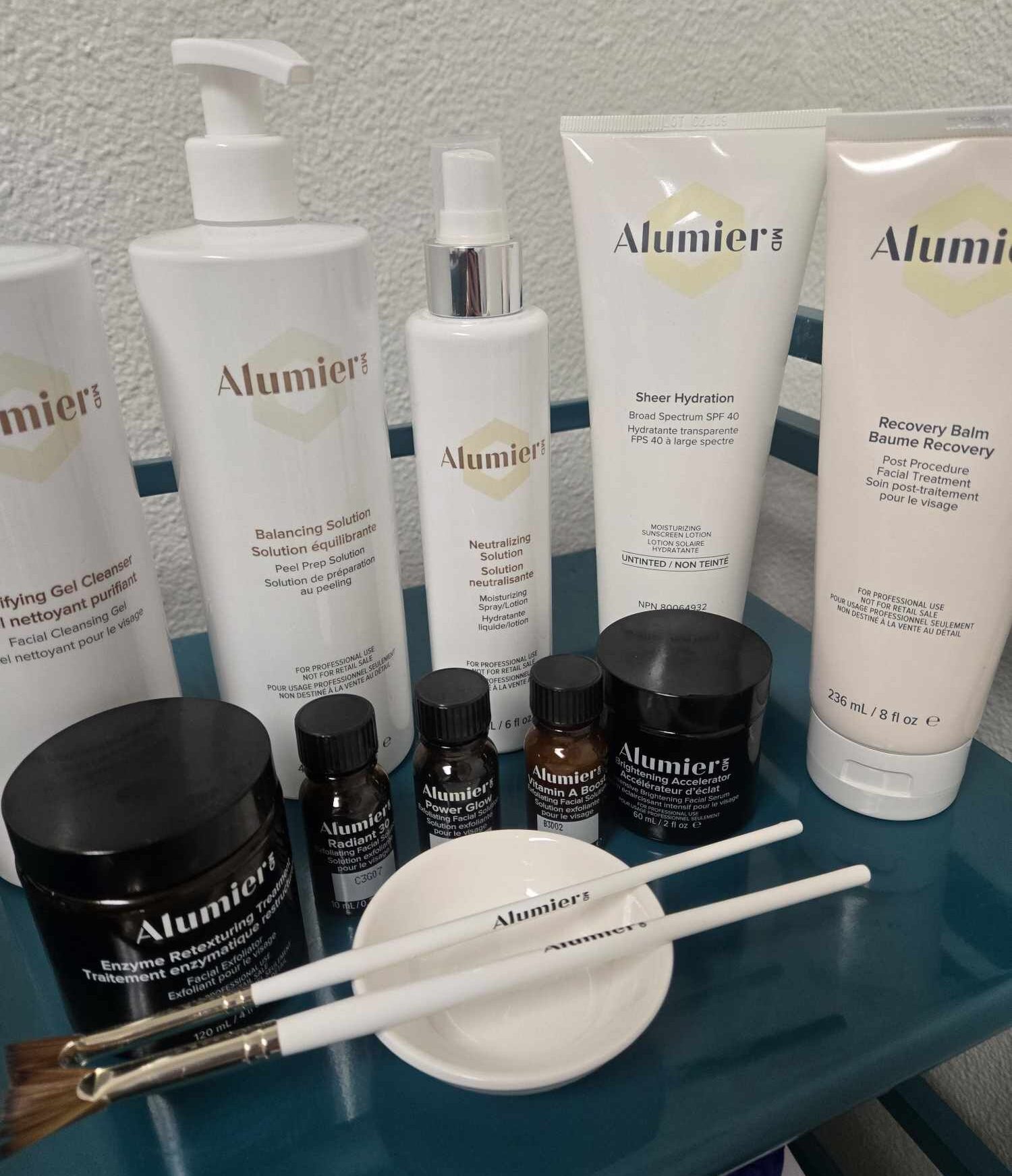
The Clinical Evidence: How Chemical Peels Perform
Efficacy Across Skin Concerns
A 2019 systematic review published in the Journal of Clinical and Aesthetic Dermatology analyzed 67 studies on chemical peel outcomes. Here’s what researchers found:
For hyperpigmentation and melasma:
- Glycolic acid peels (30–70%) showed 50–75% improvement in pigmentation scores after 4–6 treatments
- Combination peels (glycolic + kojic acid) outperformed single-agent treatments by roughly 20%
- Results plateaued around session six; maintenance peels every 8–12 weeks sustained improvements
For acne and acne scarring:
- Salicylic acid peels reduced active acne lesions by 40–60% over three monthly sessions
- TCA peels (10–25%) improved atrophic scarring depth by 25–50% when combined with microneedling
- Inflammatory acne responded faster than comedonal acne
For photoaging and fine lines:
- Medium-depth peels showed measurable collagen remodeling on biopsy at 90 days post-treatment
- Patients reported 30–40% improvement in skin texture and tone
- Deeper peels produced more dramatic results but required 7–14 days of social downtime
Safety Profile and Adverse Events
The same review tracked side effects across thousands of treatments:
- Mild erythema and flaking: 95% of patients (expected, resolves in 3–7 days)
- Post-inflammatory hyperpigmentation: 2–5% of patients, higher in Fitzpatrick skin types IV–VI
- Infection or scarring: Less than 0.5% when performed by trained professionals with proper aftercare
This data underscores why medical oversight matters. Licensed providers assess your skin type, adjust peel strength accordingly, and monitor healing to minimize complications.
Chemical Peels for Northern Colorado Skin: What the Data Means Locally
Living at elevation with intense UV exposure and low humidity creates specific skincare challenges. Research from the University of Colorado’s dermatology department found that high-altitude residents experience:
- 25% more cumulative UV damage by age 40 compared to sea-level populations
- Increased transepidermal water loss, leading to barrier dysfunction
- Higher rates of actinic damage and uneven pigmentation
Chemical peels address these concerns by removing damaged outer layers and stimulating cellular turnover. But the data also shows that post-peel sun protection is non-negotiable here—SPF 30+ daily reduced hyperpigmentation recurrence by 80% in follow-up studies.
Comparing Peel Depths: What Studies Tell Us
Superficial Peels (Alpha-Hydroxy Acids, Low-Strength Salicylic)
Penetration depth: Epidermis only
Downtime: 1–3 days of light flaking
Ideal for: Mild texture issues, dullness, early sun damage
A 2021 study in Dermatologic Surgery tracked 200 patients receiving monthly glycolic peels for six months. Results:
- 68% reported “satisfied” or “very satisfied” with brightness and smoothness
- Minimal disruption to daily routines
- Best results when combined with retinoid home care
Medium-Depth Peels (TCA 20–35%, Jessner’s Solution)
Penetration depth: Upper dermis
Downtime: 5–7 days of visible peeling
Ideal for: Moderate sun damage, deeper wrinkles, acne scarring
Research published in Aesthetic Surgery Journal followed 150 patients through medium-depth TCA peels:
- 72% showed measurable improvement in wrinkle depth via 3D imaging
- Collagen density increased by an average of 18% at three months
- Patient satisfaction correlated strongly with realistic pre-treatment counseling
Deep Peels (Phenol, High-Strength TCA)
Penetration depth: Mid-to-deep dermis
Downtime: 10–14 days, sometimes longer
Ideal for: Severe photoaging, deep wrinkles, precancerous lesions
Deep peels produce the most dramatic results but carry higher risk. A 2020 analysis found that while 85% of patients achieved significant rejuvenation, the procedure requires cardiac monitoring (phenol is absorbed systemically) and is rarely performed outside hospital settings today. Most medical spas—including ours—focus on superficial to medium peels that balance efficacy with safety.
What to Expect: Data-Driven Timelines
Based on aggregated clinical studies, here’s a realistic treatment roadmap:
Week 1: Skin appears red and tight. Peeling begins day 2–3 and peaks around day 4–5. No makeup during active peeling.
Week 2: New skin emerges pink and sensitive. You can resume most activities but should avoid intense exercise and heat.
Weeks 3–6: Pinkness fades. Collagen remodeling begins (invisible to you but measurable on imaging).
Month 3: Full results visible. Studies show this is when patients report peak satisfaction.
Months 6–12: Maintenance phase. Research supports quarterly peels to sustain improvements and prevent new damage.
The Role of Aftercare: What the Numbers Say
A 2022 study compared outcomes between patients who followed strict post-peel protocols and those who didn’t:
- Proper aftercare group: 78% achieved “excellent” results, 3% complication rate
- Inconsistent aftercare group: 51% achieved “excellent” results, 12% complication rate
Critical aftercare steps backed by data:
- Gentle cleanser only (no actives) for 7 days
- Broad-spectrum SPF 30+ reapplied every 2 hours outdoors
- Avoid picking or forcing peeling skin (increases scarring risk by 400%)
- Hydrating serums with hyaluronic acid or ceramides to support barrier repair
Our team provides a detailed aftercare checklist with every chemical peel to help you protect your investment.
Cost vs. Outcome: What Research Reveals
While individual pricing varies, industry data shows:
- Superficial peels: $100–$200 per session
- Medium peels: $200–$400 per session
- Series of 3–6 treatments typically required for optimal results
A cost-effectiveness analysis in JAMA Dermatology compared chemical peels to other anti-aging modalities. Peels ranked high for “value per visible improvement unit”—especially when patients committed to a series rather than one-off treatments.
Choosing a Provider: Why Credentials Matter
The data is clear: outcomes improve significantly when peels are administered by licensed medical professionals. A 2020 survey of adverse events found:
- RN- or MD-supervised treatments: 1.2% complication rate
- Non-medical spa settings: 8.7% complication rate
Medical providers conduct thorough skin assessments, customize peel formulations, and recognize early warning signs of complications. This isn’t about fear-mongering—it’s about respecting what the research shows.
Frequently Asked Questions
How many chemical peel sessions will I need to see results?
Most clinical studies show visible improvement after 3–4 treatments spaced 4–6 weeks apart. Maintenance peels every 8–12 weeks help sustain results. Your skin concern, peel depth, and home care routine all influence the timeline.
Can chemical peels make hyperpigmentation worse?
In 2–5% of cases, yes—especially in darker skin tones or when sun protection is inadequate post-treatment. A licensed provider will assess your Fitzpatrick type, perform a test spot if needed, and prescribe pre-treatment prep (often hydroquinone or tranexamic acid) to minimize risk.
What’s the difference between a chemical peel and microdermabrasion?
Chemical peels use acids to dissolve dead skin and stimulate deeper collagen remodeling. Microdermabrasion physically exfoliates the surface only. Research shows peels produce more significant improvements in pigmentation, texture, and fine lines, though microdermabrasion has zero downtime.
Ready to See What Chemical Peels Can Do for Your Skin?
The research is compelling, but your skin is unique. A consultation with our RN-led team will help you understand which peel depth, treatment series, and aftercare plan align with your goals and lifestyle.
We’ll assess your skin type, discuss realistic timelines, answer every question, and create a customized plan—no pressure, no hype, just honest guidance rooted in science.
Book your consultation today and take the first step toward clearer, smoother, more radiant skin.